At Crossell Ltd, we are committed to fostering an inclusive and equitable workplace where every employee has the opportunity to thrive. Transparency is a key part of that commitment, and publishing our Gender Pay Gap report allows us to reflect on our progress and identify areas for improvement.
The gender pay gap measures the difference in average earnings between men and women across the organisation, regardless of role or seniority. It is not the same as equal pay, which refers to paying men and women the same amount for the same job which is already required by law. Our report provides insight into the factors influencing pay differences and outlines the steps we are taking to close the gap.
We recognise that achieving gender balance is an ongoing journey. By sharing this data, we aim to hold ourselves accountable and continue building a workplace that values diversity, fairness, and opportunity for all.
Here are the main elements typically looked at in a Gender Pay Gap report:
Mean gender pay gap – The average hourly pay difference between men and women.
Median gender pay gap – The middle point of hourly pay differences, often considered more representative.
Bonus pay gap – Differences in bonus payments between men and women (mean and median).
Proportion receiving bonuses – Percentage of men and women who received a bonus.
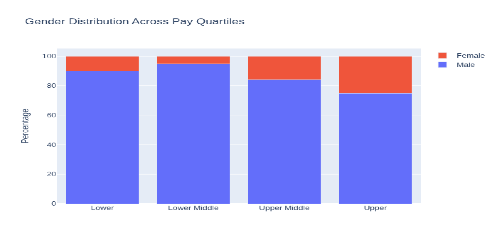
Pay Quartiles – Distribution of men and women across four pay bands (lower, lower middle, upper middle, upper).
Representation by role level – How men and women are represented in senior vs. junior positions.
Part-time vs. full-time patterns – Impact of working hours on pay differences.
Underlying factors – Such as recruitment trends, progression opportunities, and industry norms.
Key Insights as of 30 June 2025.
Gender Representation
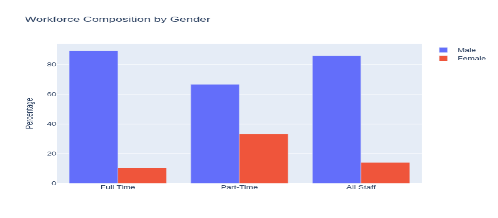
Crossell’s workforce is male-dominated due to the nature of the industry: 85.9% male overall, only 14.1% female.
Part-time roles have higher female representation (33.3%) compared to full-time (10.6%), suggesting women are more likely to work part-time in this industry.
In pay quartiles:
Lower quartile: 10% female
Upper quartile: 25% female
Pay Gap
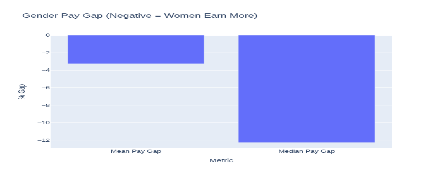
Mean gender pay gap: -3.25% (women earn slightly more on average than men).
Median gender pay gap: -12.26% (women earn significantly more at the midpoint).
This indicates that among comparable roles, women are concentrated in slightly higher-paying positions within their bands.
Bonus Gap
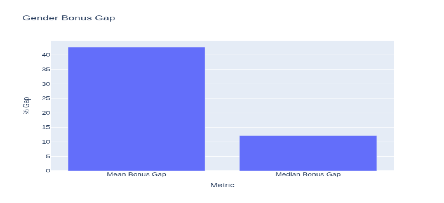
Mean bonus gap: 42.69%
Median bonus gap: 12.13%
Bonuses are KPI driven and as a result of natural workforce dynamics, there is a significantly higher representation of males who have a higher bonus earning potential.
Bonus & Benefits Participation
61.19% of men received a bonus vs. 45.45% of women.
Benefits are almost equal (43.28% men vs. 45.45% women)
Part-Time Pay Gap
Mean:2.20%,
Median:4.19%
There is a small gap which is due to there again being a larger cohort of male employees in this group.
Interpretation
Crossell has a male-dominated workforce in part due to the nature of the work. There is a lot of travel between locations and the tasks are manual in nature. Males make up the majority of the workforce especially in full-time roles and lower pay bands. Interestingly, the overall pay gap favours women, likely due to their presence in higher-paying roles. However, bonus payments show a gap favouring men. Representation in senior roles is improving (25% female in upper quartile).
Commitments
1. Address Bonus Disparities
Review bonus criteria to ensure they are transparent and based on objective performance metrics.
2. Support Flexible Working
Expand flexible working options for all employees, not just part-time roles.
Promote job-sharing and remote work opportunities to attract and retain female talent.
3. Recruitment and Talent Pipeline
Ensure gender-balanced shortlists for recruitment and promotions.
Partner with organizations that support women in business to widen the talent pool.
4. Transparency and Accountability
Continue publishing annual Gender Pay Gap reports and share progress internally.
Communicate actions and outcomes clearly to employees to build trust and engagement.
5. Training and Awareness
Provide training for managers involved in hiring and pay decisions.
Educate employees on the difference between equal pay and the gender pay gap.
Crossell Ltd’s Gender Pay Gap analysis demonstrates encouraging progress toward pay equity, with women earning slightly more than men on average and at the median.
We are committed to turning these insights into action. By focusing on transparent reward structures, leadership development, and continued investment in diversity initiatives, Crossell will ensure that every colleague has equal opportunity to succeed. Together, we will create a culture where fairness, respect, and opportunity are at the heart of everything we do.